
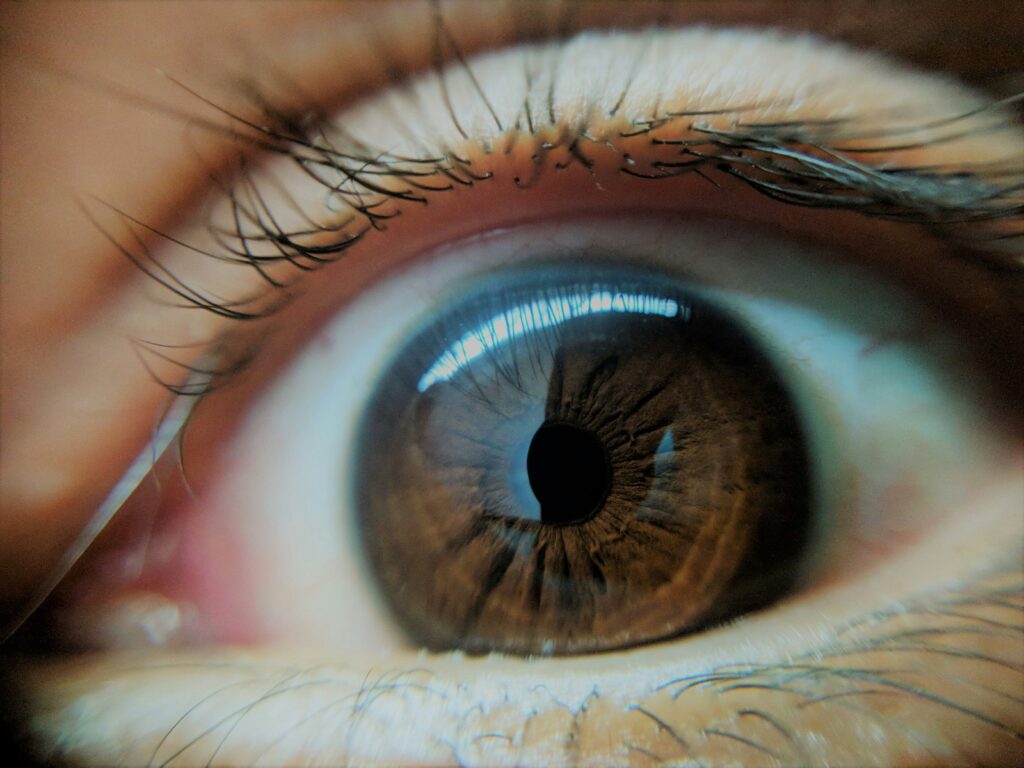
Being proactive about your eye health can have a positive and lasting effect on your vision. Regular eye care maintenance, including regular eye exams with a qualified optometrist, can help stave off certain eye conditions and diseases. With years of collective experience, our knowledgeable staff has diagnosed and treated a range of eye conditions and diseases. We are the preferred choice for patients suffering from eye conditions and diseases including:
Cataracts
A cataract is the clouding of the eye’s natural lens (the transparent portion of the iris). When the natural lens becomes clouded, light cannot pass through and properly focus objects onto the retina, creating fuzzy vision. Early stages of cataracts can be managed with prescription eyeglasses. However, the only way to reverse the vision loss caused by a cataract is to have it surgically removed.
Glaucoma
Known as the “silent thief of sight,” glaucoma typically occurs without any warning signs. There are several types of glaucoma, all affecting the optic nerve. Open-angle glaucoma occurs when fluid buildup in the eye increases intraocular pressure (IOP), which in turn damages the optic nerve. Angle-closure glaucoma occurs when the iris — the colored portion of the eye — prevents normal fluid drainage, causing a rapid buildup of pressure. Several treatment options for glaucoma are available, all of which focus on lowering intraocular pressure.
Macular Degeneration
Macular degeneration is the most common cause of permanent vision loss among Americans. Macular degeneration occurs when the retina (the portion of the eye responsible for clear central vision) weakens and breaks down. Common symptoms of the eye condition include gradual loss of central vision and dark spots. Proper management in its early stages can slow down the progression of macular degeneration. Later stages of macular degeneration can be treated with certain medications and laser therapy.
Dry Eye Syndrome
A chronic condition, dry eye syndrome is characterized by a lack of quantity or quality of tears needed to keep the eyes moist and lubricated. Treatment for the benign condition depends on the cause and severity. Treatment options include prescription eye drops, antibiotics, punctal plugs and intense pulsed light therapy (IPL).
Keratoconus
Keratoconus is an uncommon condition characterized by an abnormally curved cornea. The condition occurs when the normally smooth and spherically shaped cornea weakens, bulging outward and distorting vision. Early stages of keratoconus can be managed with prescription eyeglasses or specially fitted contact lenses. But if the cornea’s shape worsens, other treatment options can be considered including corneal crosslinking and corneal transplant.